
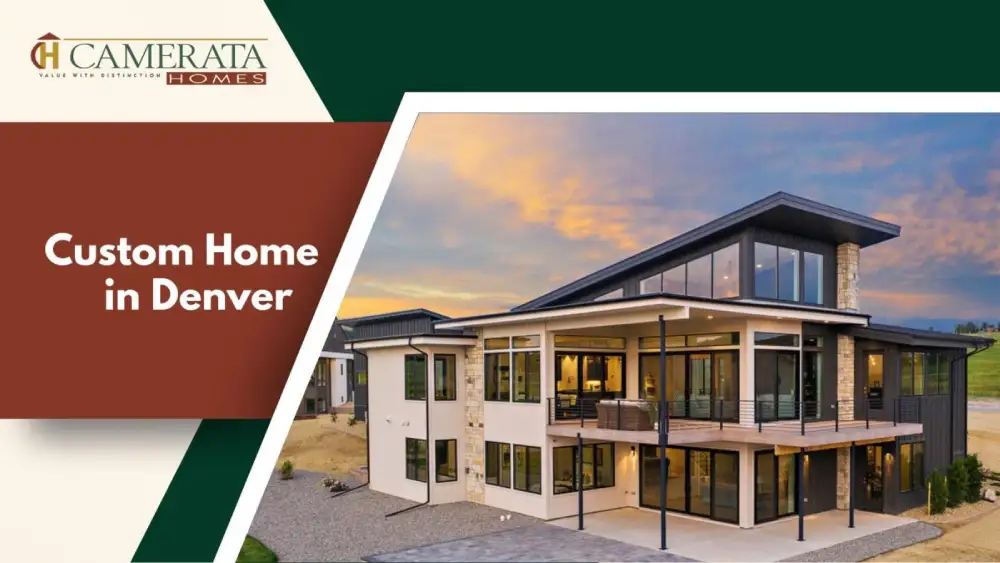
Planning ahead has become a smart habit and a necessity for homeowners in the Denver area. With land availability tightening, construction timelines stretching, and design expectations rising, 2026 is already shaping up to reward people who start early and stay intentional. Many families are reassessing what they want from their living spaces and realizing that an existing home may not support the next season of life. This is especially true for those considering building a custom home in Denver, where the best results come from clarity, coordination, and time to think. Starting the process early gives homeowners room to evaluate neighborhoods, confirm what a site can actually support, and make design choices without pressure. It also allows for a smoother path through planning, permitting, and trade scheduling.
In a region where weather, codes, and topography all shape the build, early planning is less about getting ahead and more about getting it right. Looking toward 2026 isn’t about rushing to break ground—it’s about creating a timeline that protects quality. And quality is what custom should mean.
Why 2026 Deserves a Closer Look
Denver’s growth continues to influence the realities of construction, from land competition to municipal workflows. For homeowners, the biggest advantage of planning for 2026 is time—time to make decisions in the right order. That order matters because custom homes aren’t just designed; they’re engineered, budgeted, permitted, and built through a sequence where one late decision can ripple into months of delays.
Planning Cycles Are Getting Longer
Most homeowners underestimate how much happens before the first day of framing. Site evaluation, civil engineering, architecture, structural engineering, energy compliance, and finish selections all take time to coordinate. The city’s review processes also add a real planning layer; Denver provides online permitting and inspection tools through its e-permits system, and the city publishes review-time information to help applicants understand what to expect.
The Best Timeline Is a Calm One
The strongest custom home experiences are built on calm decision-making. When homeowners give themselves more runway, they’re able to vet builders properly, compare design approaches, refine scope, and line up financing without panic. That extra breathing room is what keeps a project from being driven by urgency instead of intention.
Building a Custom Home in Denver
A custom home in Denver is a location-specific build shaped by climate, code requirements, and site conditions. A home that performs well here accounts for temperature swings, high sun exposure, wind events, snow considerations, and seasonal hail risk. That’s not fear-based planning; it’s Colorado reality.
Design Starts With Site Truth
The most livable custom homes start by treating the site like a design partner. Orientation impacts natural light and energy efficiency. Grade influences drainage strategy. Soil conditions affect foundation design. Views shape window layout, privacy decisions, and outdoor living spaces. A homeowner who starts early can choose a lot that supports their goals instead of choosing a lot and then fighting its limitations.
Codes and Compliance Are Part of the Design Conversation
Code updates can affect everything from insulation targets to safety requirements to materials. Denver’s building and fire code information notes the city adopted 2025 codes incorporating 2024 I-codes (with the energy code incorporating the 2021 IECC), which reinforces why working with a builder who stays current matters.
Energy compliance deserves its own attention as well; Denver provides specific guidance on its residential energy code and what it applies to.
Design Depth Requires Time and Intention
Custom homes are defined by hundreds of decisions that build on each other. When homeowners compress the timeline, they often feel forced into “good enough” choices. When they expand the timeline, they can build a home that feels cohesive and personal, rather than assembled.
Why Early Design Phases Create Better Homes
The early phase is where the “why” gets clarified: Why this location? Why this layout? Why this level of finish? Why this kind of indoor-outdoor connection? This is also where homeowners can explore multiple layout options, test circulation patterns, and pressure-test the home against real life—work-from-home routines, multigenerational needs, hosting, storage, and privacy.
This is where custom home building plans in Denver become a tool for reducing uncertainty. Instead of making decisions in isolation, homeowners can see how structure, energy compliance, and budget interact with the design. The process becomes less emotional and more informed.
The Finish Schedule Isn’t Just Aesthetic—It’s Logistical
Materials aren’t chosen in a vacuum. Lead times, availability, and trade scheduling all influence what’s realistic. Early planning allows homeowners to select finishes that align with both their vision and their build timeline. That includes items people often forget: plumbing fixtures, specialty lighting, custom millwork, hardware packages, appliances, and tile lots. Camerata Homes suggests clients toward early selections because it protects the schedule and reduces substitutions later.
Energy and Comfort Planning Happens Here, Too
The design phase is also where comfort gets designed. Window performance, air sealing strategies, insulation assemblies, HVAC zoning, and ventilation planning all influence how the home feels day to day. Denver’s energy code guidance underscores how energy requirements apply to residential homes, which is another reason homeowners benefit from time and expertise during planning.
Navigating Logistics Without the Pressure
A custom home is a coordination project as much as it is a construction project. Homeowners who plan for 2026 can pace the process in a way that makes each step easier to manage and easier to execute well.
Permitting: Predictable When You Prepare
Permitting doesn’t have to be mysterious, but it does require sequencing. Denver’s e-permits system supports submission, tracking, payments, and scheduling inspections, which makes the process more transparent for homeowners and builders who are organized.
The city also publishes average plan review time information through a dashboard, reinforcing that review cycles exist and should be accounted for in any realistic build timeline.
Budgeting: The Most Underrated Part of “Custom”
Custom isn’t “unlimited.” It’s intentional. A healthy planning timeline helps homeowners separate “must-haves” from “nice-to-haves,” and it allows builders to offer realistic guidance on where to invest for long-term value. The earlier a builder is engaged, the sooner budget realities can inform design decisions.
This is also where custom home building plans in Denver become less about inspiration and more about execution. The execution side is where good plans protect homeowners: fewer change orders, fewer surprises, clearer expectations.
A Long-Term View That Supports Better Outcomes
Looking toward 2026 gives homeowners the chance to build with the future in mind instead of solving only for today. This doesn’t mean predicting the market perfectly. It means preparing in a way that protects choice.
Design for Lifestyle Longevity
Homes that age well are flexible. They plan for storage. They plan for evolving family needs. They plan for comfort across seasons. And they avoid over-customizing in a way that makes the home harder to live in or maintain. When homeowners treat planning as a long-term investment, the finished home tends to feel timeless rather than trendy.
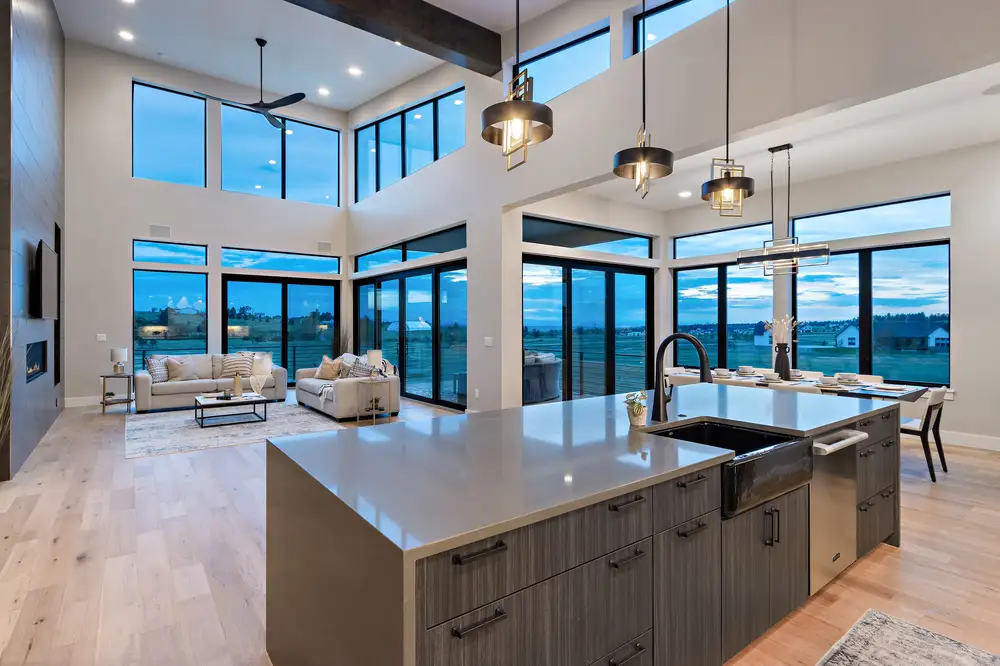
From Planning for 2026 to Breaking Ground: Start With Camerata Homes
If you’re considering building a custom home in Denver, we see early planning as the best way to protect quality and reduce surprises later. At Camerata Homes, we guide clients through a structured pre-construction process that helps align vision, budget, and buildability from the beginning. We help prioritize what matters most, coordinate the right experts, and keep the experience grounded in real timelines.
If you’re looking toward 2026, we’d love to help you start shaping that future now. Reach out to us to begin the conversation and build a plan that makes the timing work in your favor.