
Cherry Creek has a way of getting under your skin. You stroll past the boutiques, grab a coffee, wander toward the trail, and suddenly you’re wondering what it would take to live here for good. For many families, the answer isn’t buying an older house. It’s building one that fits exactly how they live. Working with an experienced custom home builder in Cherry Creek can turn that daydream into a plan with real numbers and a real timeline.
Still, this neighborhood plays by its own rules. Land is scarce, city codes are detailed, and costs can climb fast if you aren’t ready. Here’s what to know before you break ground.
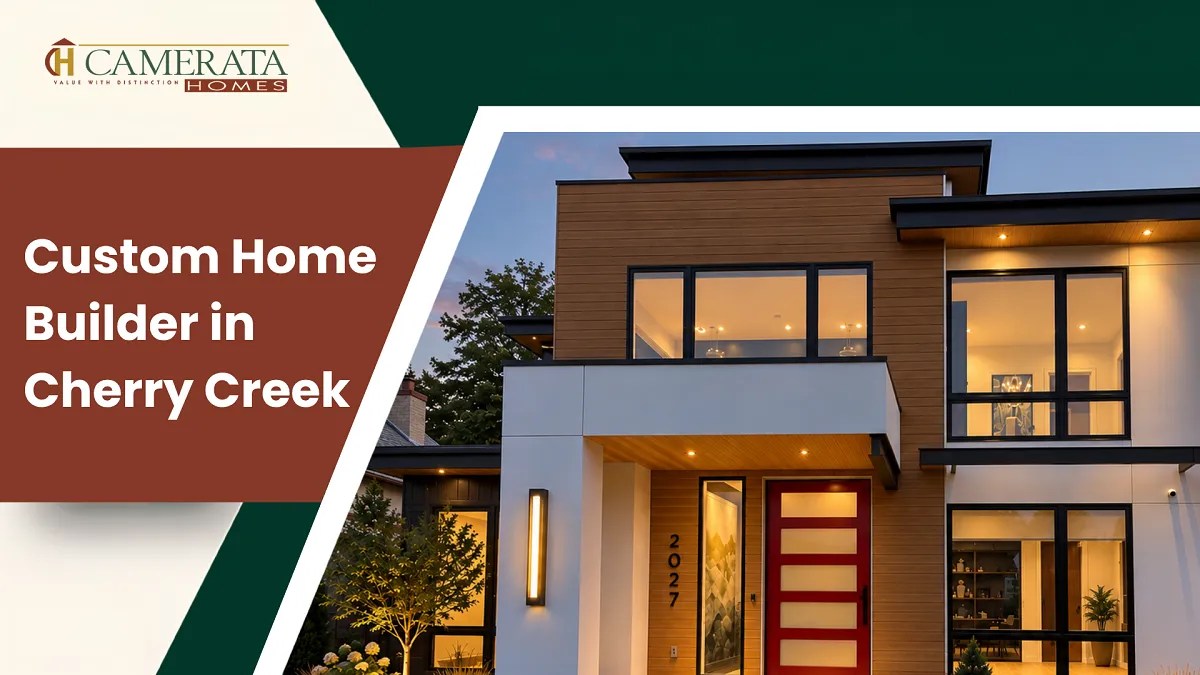
Why Cherry Creek Is Worth the Effort
Cherry Creek sits just a few miles southeast of downtown Denver, and it blends city energy with quiet, tree-lined streets. You get walkable dining and shopping, easy access to the Cherry Creek Trail, and short drives to Washington Park. People who move here tend to stay, which keeps demand strong and home values steady.
That staying power is a big reason building a custom home in Cherry Creek appeals to buyers who think long term. You aren’t just choosing finishes. You’re investing in an address that has held its appeal for decades, without the cramped kitchens and tired wiring that come with many older houses.
Finding the Right Lot
Vacant residential land is limited in Cherry Creek, so many custom-home opportunities involve replacing an existing residence. Most Cherry Creek custom home lots come from older homes that are bought, torn down, and replaced. Many custom-home opportunities in established neighborhoods come from redeveloping properties with existing homes.
Some residential parcels in Cherry Creek East are relatively narrow and deep, which can make lot width an important design consideration. That shape affects nearly everything, from where the garage goes to how much daylight reaches the middle of the house. Before you buy, look past the asking price. Check the condition of existing utility lines, the location of mature trees, and whether the lot has alley access for a rear garage. Bringing your builder in before you sign a contract is one of the smartest moves you can make, because they can identify construction and site considerations that may not be fully evaluated during a standard home inspection.
Understanding Denver’s Zoning and Building Rules
Every home here must follow the Denver Zoning Code. Zoning districts limit building height, setbacks from property lines, and how much of the lot your home can cover. Depending on the property’s zone district, Denver’s zoning code may also impose bulk-plane requirements that limit how a building can rise and expand toward the lot. Picture an invisible sloped line that starts at your side property lines and angles inward. Your house has to fit beneath it, which shapes your roofline and upper floors so new homes don’t tower over their neighbors.
Permits run through Denver’s Community Planning and Development department, with separate approvals for demolition and new construction. Review times shift with the city’s workload, so plans that are complete and code compliant the first time can save you weeks or even months. These rules can feel like a maze, yet they protect the very things that make the neighborhood special.
Building a Realistic Budget
Budgeting starts with land, the biggest single variable. Cherry Creek land and redevelopment opportunities can command significant prices, with cost varying substantially by lot size, location, and development potential. Construction costs come next and depend heavily on your design, structure, and finish choices.
Soft costs are where many buyers get caught off guard. Architectural and engineering fees, permits, utility tap fees, surveys, and demolition can add a meaningful share to your total. Smart homeowners also keep a contingency fund, often around 10 percent, for surprises that appear once soil is tested or old foundations come out. It also helps to talk with a construction lender early, since these loans release money in stages and work differently from a standard mortgage.
Choosing the Right Builder
Your builder shapes the experience as much as your floor plan does. Look for a team with real infill experience, since building a custom home in Cherry Creek means working on tight sites right beside occupied homes. Ask how they handle neighbor communication, deliveries, and permit timelines. A good builder also explains costs in plain language, puts allowances in writing, and keeps you updated without you having to chase them.
Frequently Asked Questions
What makes a custom home builder different from a production builder?
A production builder offers a set menu of floor plans and finishes, usually inside a planned community. A custom builder starts with your lot, lifestyle, and wish list, then designs a one-of-a-kind home around them. In an infill neighborhood like Cherry Creek, that flexibility matters, because no two lots share the same width, trees, or zoning quirks.
How long does a custom home take to build in Cherry Creek?
Most projects take about 18 months to two years from the first design meeting to move-in day. Design and permitting often fill the first several months, and construction usually runs a year or longer depending on size and complexity. A builder who submits clean, complete plans helps keep permitting from dragging.
Should I buy a lot before I hire a builder?
It’s usually better to bring a builder in first, or at least before you close. Cherry Creek custom home lots can hide problems like aging sewer lines, tricky drainage, protected trees, or zoning limits that shrink what you can build. A builder can review the property, sketch what fits, and give rough cost guidance so you buy with confidence.
How much does a custom home cost in Cherry Creek?
There isn’t one price, because land, home size, design complexity, and finish level all move the number. Land can represent a substantial portion of the overall investment, with pricing varying by lot size, location, zoning, and redevelopment potential. Then come construction, soft costs like design fees and permits, and a contingency fund. A detailed estimate based on your actual plans is the only reliable figure.
Can a builder help me with Denver permits and zoning?
Yes, and a good one should. An experienced local builder understands setbacks, bulk plane rules, height limits, and the city permit process. They coordinate with architects and engineers so the design meets code before submission, respond to review comments, and keep the schedule moving, which helps you avoid costly redesigns.
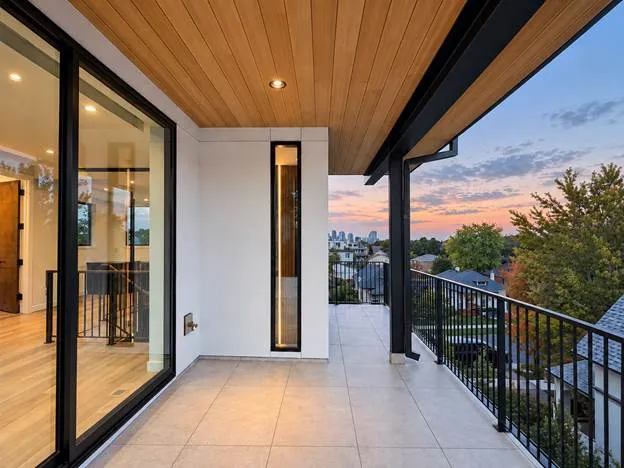
Ready to Build? Talk to Camerata Homes, a Custom Home Builder in Cherry Creek
Your future home deserves more than guesswork. Camerata Homes builds custom and semi-custom homes across the Denver area, and we know how to turn a challenging infill lot into a place that feels like it was always meant to be there. We’ll help you evaluate land, work through the city’s rules, and set a budget you can trust, with clear communication at every step. If Cherry Creek is calling your name, reach out to Camerata Homes today to schedule a consultation.