
Building a custom home in the Denver area is an exciting opportunity to create a space that fits your lifestyle, design preferences, and long-term goals. But before construction begins, most homeowners want a clear understanding of what shapes the custom home cost Denver buyers should realistically expect. The truth is that custom home pricing is influenced by many interconnected decisions, from land conditions and architectural complexity to finishes and local building requirements. As demand for high-quality homes continues across the Front Range, understanding these factors becomes even more important for homeowners planning a build in 2026.
Working with an experienced builder helps clarify which elements truly drive cost and where thoughtful decisions can create long-term value. Camerata Homes guide clients through these considerations early so expectations align with design goals and budget. By understanding the main cost drivers ahead of time, homeowners can make confident choices throughout the building process. The following sections break down the key elements that influence custom home pricing across the Denver area.
Land, Site Conditions, and Preparation
Before construction begins, the characteristics of the lot itself can significantly influence overall project costs. Denver and its surrounding communities feature diverse terrain, from flat suburban parcels to sloped foothill properties with expansive views. Each type of site brings different preparation requirements, including grading, soil testing, excavation, and drainage solutions.
Utilities also play a role. Connecting water, sewer, electrical, and gas lines can vary depending on the property location and existing infrastructure. In some cases, additional engineering or permitting may be required before construction can begin.
Site accessibility is another factor. Tight lots, hillside builds, or areas with limited equipment access can require specialized planning and construction techniques. Builders experienced in Denver projects understand how these site conditions affect the costs and can guide homeowners toward realistic planning decisions early in the process.
Home Size, Layout, and Architectural Complexity
The size and design of the home remain some of the most influential pricing factors. Larger homes naturally require more materials and labor, but the complexity of the design can also increase costs even when square footage remains similar.
Custom architectural elements such as vaulted ceilings, expansive window walls, floating staircases, and open structural spans often require additional engineering and specialty craftsmanship. Multi-level homes, custom rooflines, and integrated indoor-outdoor living spaces can also add structural complexity.
Thoughtful planning can balance these elements. Camerata Homes helps homeowners evaluate design priorities so that architectural creativity aligns with budget expectations. These conversations are essential because layout decisions can affect both construction efficiency and the overall cost to build a custom home in Denver.
Custom Home Cost in Denver: Understanding Material and Finish Selections
Material selections represent one of the most flexible, and most influential, factors affecting the overall custom home cost Denver homeowners experience when building a personalized residence. Because custom homes allow complete design freedom, the range of available materials and finishes can dramatically shift the final budget.
Exterior Materials and Structural Systems
Exterior construction materials affect both the appearance and durability of the home. Popular options in the Denver area include:
- Natural stone and masonry accents
- Fiber cement siding
- Stucco systems
- High-performance roofing materials
- Oversized architectural windows
- Highly specialized exterior architectural cladding materials
These materials can vary widely in price depending on quality, installation complexity, and durability. Many homeowners choose premium exterior finishes not only for aesthetic appeal but also for long-term resilience against Colorado’s intense sun, snow, and temperature swings. Highly specialized architectural cladding systems, such as metal panels, engineered wood systems, or composite materials, can also add a distinctive visual character to custom homes while requiring specialized installation techniques that influence overall construction costs.
Interior Finishes and Custom Details
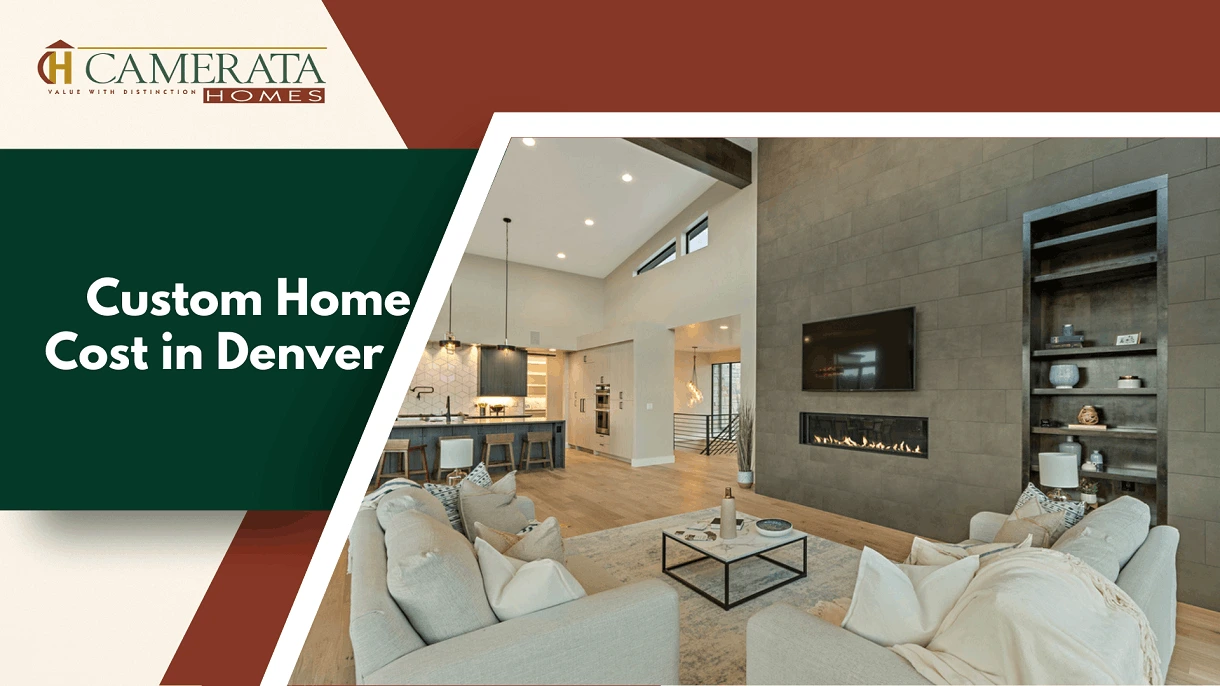
Inside the home, finishing selections contribute heavily to the final cost. Cabinetry, flooring, countertops, lighting fixtures, and appliances each offer a wide spectrum of options. High-end custom cabinetry, imported tile, luxury stone countertops, and specialty lighting systems can significantly elevate both design and budget.
Custom homes often incorporate unique details such as built-in shelving, custom millwork, and artisan tile installations. These elements enhance personalization but also require skilled craftsmanship that adds to construction costs.
Permits, Regulations, and Local Building Requirements
Denver and surrounding municipalities maintain detailed building regulations designed to ensure safety, sustainability, and neighborhood consistency. These requirements can influence project timelines, planning phases, and construction budgets.
Permitting costs, zoning restrictions, architectural review boards, and building codes all play a role in the approval process. In certain areas, design guidelines or environmental considerations may also affect building plans. Navigating these processes efficiently requires experience with local jurisdictions and construction standards.
Professional builders familiar with Denver’s regulatory landscape help homeowners anticipate these steps early. Planning for approvals and compliance reduces delays and helps ensure the cost to build a custom home in Denver remains aligned with the original project scope.
Energy Efficiency and High-Performance Home Systems
Energy efficiency has become an increasingly important factor influencing modern custom home construction in the Denver area. Beyond comfort and sustainability, high-performance building systems can affect both the upfront investment and the long-term operating costs of a new home.
Advancements in construction technology now allow custom homes to operate far more efficiently than traditional builds. Camerata Homes integrates insulation upgrades, renewable energy systems, and advanced heating and cooling solutions into the design process from the beginning. When planned correctly, these systems work together to create a tighter, more efficient home envelope that minimizes wasted energy.
Foam Insulation (Tighter Home Envelopes)
One of the most effective ways to improve home efficiency is through advanced insulation systems. Spray foam insulation is commonly used in high-performance homes because it expands to fill small gaps and cracks within wall cavities and roof structures. This creates a much tighter building envelope compared to traditional insulation materials.
A tighter envelope reduces unwanted air leakage, helping maintain consistent indoor temperatures throughout the year. In Denver’s climate, where cold winters and warm summers both demand reliable climate control, this improved insulation can significantly enhance comfort while lowering energy usage.
Photo Voltaic Systems (Solar Panels)
Photo Voltaic (PV) solar systems allow homes to generate electricity directly from sunlight. These systems are increasingly common in custom homes across the Denver region thanks to Colorado’s strong solar potential. Solar panels can offset a portion of the home’s electrical consumption, reducing reliance on the utility grid. When paired with energy-efficient appliances and building systems, solar technology can dramatically reduce monthly utility costs.
Integrating solar power during the design stage also allows architects and builders to plan rooflines and panel placement for maximum performance and visual integration.
Geothermal Heating and Cooling Systems
Geothermal systems provide one of the most efficient methods of heating and cooling a home. Instead of relying solely on outdoor air temperatures, geothermal systems use stable underground temperatures to regulate the home’s climate.
Pipes installed beneath the ground circulate fluid that absorbs heat from the earth in winter and disperses heat back into the ground during summer. This process allows geothermal systems to operate with significantly higher efficiency than conventional HVAC systems.
Zero Energy Home Design
Combining photo voltaic and geothermal technologies with zero energy modeling can produce homes that generate as much energy as they consume annually. This “zero energy” approach integrates advanced insulation, renewable energy systems, and high-efficiency HVAC technologies to create homes that dramatically reduce long-term energy use while supporting sustainable design goals.
Labor, Craftsmanship, and Builder Experience
One of the most critical factors in custom home construction is the quality and coordination of the construction team itself.
Skilled Trades and Craftsmanship
Custom homes require a wide network of skilled tradespeople, including framers, electricians, plumbers, drywall specialists, tile installers, and finish carpenters. Each professional contributes to the overall integrity and appearance of the finished home.
In a growing market like Denver, demand for experienced tradespeople remains high. Builders who maintain strong relationships with trusted subcontractors are often able to maintain higher levels of craftsmanship and scheduling reliability.
Construction Management
A well-organized builder coordinates dozens of moving parts during a custom home project. Scheduling trade partners, managing material deliveries, conducting inspections, and maintaining quality control all require detailed oversight.
Experienced custom builders bring systems and processes that help keep projects running smoothly. Camerata Homes emphasizes collaboration, transparency, and communication throughout the build process, helping homeowners understand each stage of construction and how it contributes to the overall custom home cost Denver projects typically involve.
Long-Term Value and Quality
For many homeowners, investing in experienced craftsmanship ultimately delivers greater peace of mind and a stronger long-term return on investment. Choosing a builder who prioritizes clear communication and structured project management can make a meaningful difference.
Turn Cost Clarity Into Confident Homebuilding with Camerata Homes
Every custom home project is unique, and thoughtful planning is essential to balancing creativity with practical investment. Experienced builders help clarify these decisions early, ensuring expectations remain realistic while preserving the flexibility that makes custom homes so appealing. Camerata Homes works closely with clients throughout the Denver area to guide these early conversations and provide insight into design, planning, and construction considerations.
We bring years of experience in custom home construction across the Denver region, and we understand how local site conditions, architectural styles, and building standards influence every stage of the project. Our approach focuses on clear communication, thoughtful design guidance, and a construction process that prioritizes quality at every step. Reach out to us today to start a conversation about your vision and what it could take to bring a truly custom home to life in Denver.