
The cost of a luxury custom home cannot be determined by square footage alone. The cost per square foot for a luxury custom home in Centennial depends on the property, architecture, finishes, and level of personalization. Two homes of the same size can have very different budgets because their construction needs may be completely different. Understanding what influences that figure will help you plan more confidently and spend time where it improves daily life.
Why Cost Per Square Foot Is Only a Starting Point
Cost per square foot can be helpful during early planning, but it should not be mistaken for a final price. Estimates also vary depending on what the builder includes.
One estimate may cover only the house. Others may include design services, permits, appliances, site preparation, or landscaping. Garage, unfinished basements, and covered patios may also be calculated differently from finished living space.
When comparing the custom home cost in Centennial, Colorado builders present, ask what is included. A detailed explanation is more valuable than a low estimate with important items missing.
The Homesite Can Change the Budget
Evaluate the property before completing the design. Soil, grading, drainage, utility access, existing structures, and driveway placement can all affect construction.
Centennial properties may offer generous outdoor space, but every lot has limitations. Setbacks, easements, building requirements, and drainage conditions can influence where the house is placed.
Early surveying, soil testing, and utility research can identify potential challenges. This allows the architect and builder to create a design that works with the land.
A property that appears simple may require extensive site preparation. Another may naturally support the home with fewer modifications. That difference will not appear in a generic square-foot estimate.
Architectural Complexity Matters
A simple home can still feel distinctive and luxurious. Clean proportions, thoughtful window placement, natural materials, and strong craftsmanship often create more impact than unnecessary complexity.
Complicated rooflines, oversized openings, curved features, long structural spans, and multiple wall projections generally require additional engineering, materials, and labor.
Distinctive features should serve a purpose. A vaulted ceiling may make the primary gathering area feel more open. A large window wall could capture a meaningful view. A covered outdoor room may become a favorite family space.
The goal is not to eliminate character. It is to invest in detail that improve beauty, comfort, or function.
Room Configuration Influences Cost
Every room does not cost the same amount to build. Kitchens, bathrooms, laundry rooms, and bars contain cabinetry, plumbing, electrical work, fixtures, and detailed finishes.
A home with several bedroom suites may therefore cost more than a similarly sized home with fewer bathrooms. Secondary kitchens, wine rooms, wellness spaces, and elaborate entertainment areas can also increase the overall investment.
Start with how your household actually lives. If everyone gathers in the kitchen, multiple work zones and thoughtful storage may deserve priority. If formal dining happens rarely, that space might work better as a flexible room.
A well-planned home does not need wasted square footage. Efficient circulation and smart storage can make a smaller footprint feel more comfortable.
Interior Selections Create Major Differences
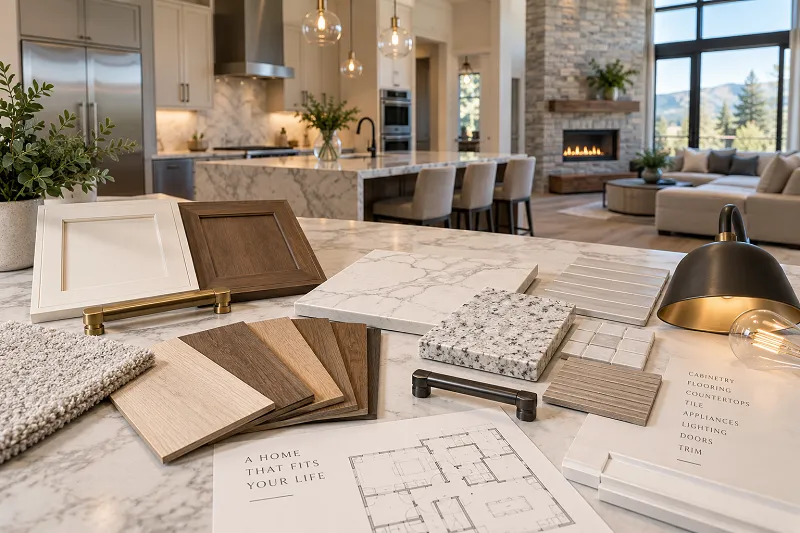
Cabinetry, flooring, countertops, tile, appliances, lighting, doors, and trim can create wide variations between custom-home budgets.
Luxury does not mean choosing the most expensive product in every room. It means selecting materials that support the design and perform well over time.
You might invest more in the kitchen because cooking and entertaining are important. Premium stones could be reserved for a fireplace or island rather than repeated everywhere. Durable flooring may provide more value than elaborate finishes in rarely used rooms.
These decisions create balance. They also allow important features to stand out without making the home feel overly decorated.
Major selections should be made early. Late decisions can disrupt ordering, framing, wiring, plumbing, and installation.
Windows and Exterior Materials Need Careful Planning
Colorado sunlight makes window placement especially important. The right windows can bring warmth into living spaces and connect the interior with the property.
However, more glass is not always better. Size, orientation, privacy, glare, energy performance, and furniture placement should be considered together.
Exterior materials must handle sunlight, snow, wind, moisture, and changing temperatures. Roofing, masonry, siding, windows, decking, and exterior finishes should be evaluated for durability and maintenance.
Proper drainage and flashing matter just as much as appearance. A beautiful finish will not perform well if water can enter vulnerable areas.
A knowledgeable luxury home builder in Centennial should explain how each material performs in local conditions. This can help prevent avoidable maintenance later.
Comfort Systems Deserve Early Attention
Heating, cooling, ventilation, lighting, water heating, and humidity control affect how the home feels every day. These systems may remain mostly out of sight, but they should never be an afterthought.
Large windows, tall ceilings, multiple levels, and specialized rooms can create different comfort needs. A properly designed system responds to those differences.
Homeowners may also consider lighting controls, motorized shades, security, backup power, and whole-home audio. Planning these features early prevents conflicts between wiring, equipment, framing, and finished surfaces.
Technology should make the home easier to use. Features that support real routines provide more lasting value than complicated systems installed for novelty.
Look Beyond the Construction Estimate
The construction contract may not represent the entire project investment. Other costs can include property, architecture, engineering, surveys, permits, utility improvements, landscape design, furniture, financing, and temporary housing.
Outdoor features also require realistic planning. Driveways, gates, fencing, patios, landscaping, pools, fire features, and detached structures may represent significant scopes of work.
When reviewing the luxury custom home cost per square foot in Centennial estimates you receive, ask for clear categories. Separate the house, site work, professional services, owner-provided items, and future improvements.
This gives you a clearer understanding of where the budget is going. It also helps determine what should be completed immediately and what could be added later.
How to Establish a More Reliable Budget
Begin with a conversation about how you live. Consider your routines, storage needs, work habits, entertaining style, family structure, and plans for the future.
Separate your wish list into essentials, preferences, and features that could be added later. Essentials may include accessible living spaces, a large garage, a dedicated office, or durable exterior materials. Preferences could include a home gym, wine room, elevator, or outdoor kitchen.
Next, investigate the homesite. Surveying, soil evaluation, utility research, and zoning reviews can expose conditions that influence design and construction.
The architect and builder can then compare the desired spaces with the property and budget. This early collaboration helps prevent plans from becoming too developed before cost considerations enter the conversation.
Allowances should also be clearly defined. A broad allowance for “luxury finishes” is less useful than a discussion about the actual windows, cabinetry, flooring, appliances, and fixtures you expect.
The most reliable way to establish custom home costs in Centennial is to develop the budget alongside the design. As the plans become more detailed, the budget should become more specific.
Frequently Asked Questions
Does the cost per square foot include the land?
Usually not. The property purchase, site improvements, utility connections, and landscaping may be treated separately.
Can a simple design still feel luxurious?
Yes. Strong proportions, natural light, thoughtful storage, durable materials, and careful craftsmanship can make a restrained home feel highly refined.
Does a larger home always cost more per square foot?
Not necessarily. Kitchens, bathrooms, and specialty rooms cost more than simple living areas, so the configuration matters alongside the size.
When should I involve a custom home builder?
Involve a builder before the architectural plans are complete. Early collaboration can reveal site challenges and design choices that affect the budget.
How can I reduce unexpected costs?
Complete the site investigation, engineering, design, and major selections before construction. Clear plans and defined allowances create greater budget confidence.
Plan Your Centennial Custom Home With Camerata Homes
A successful custom home begins with the right property, a realistic budget, and a team that understands how every decision affects the finished result. Camerata Homes can help you evaluate your homesite, define your priorities, and develop a home that reflects how you want to live. Speak with a luxury home builder in Centennial homeowners can trust from the earliest planning stages. Contact Camerata Homes today to book your custom home consultation and start turning your property and ideas into a clear construction plan.